


Ozempic UK


£50.00 – £340.00Price range: £50.00 through £340.00
Ozempic Weight Loss
Ozempic represents both a remarkable therapeutic advance and a significant public health challenge in the United Kingdom. For patients with type 2 diabetes, it offers effective glycaemic control with the added benefits of weight loss and cardiovascular protection. For people with obesity, the related medication Wegovy provides a licensed pathway to medically supervised weight management.

Where To Buy Ozempic UK – A Comprehensive Analysis of Supply, Regulation, and Patient Access
Ozempic UK (semaglutide) has become one of the most talked-about medications in the United Kingdom since its introduction. Developed by Danish pharmaceutical giant Novo Nordisk, this once-weekly injectable GLP-1 receptor agonist was initially licensed for managing type 2 diabetes but has gained unprecedented public attention for its significant weight loss effects.
The drug works by mimicking a natural hormone released after eating, helping people feel fuller, stimulating insulin secretion when blood glucose is elevated, slowing gastric emptying, and reducing appetite through effects on the brain’s satiety centres. This dual mechanism—blood sugar control and appetite suppression—has made Ozempic uk a transformative therapy for diabetes management while simultaneously creating a phenomenon that has reshaped the UK’s pharmaceutical landscape.

The UK sits at a unique intersection of healthcare access, regulatory oversight, and market dynamics that has made the Ozempic uk story particularly complex. Since its NHS availability began in 2019, the medication has experienced supply shortages, regulatory interventions, the emergence of counterfeit products, and a thriving private prescription market. This comprehensive analysis examines every facet of Ozempic UK: its licensing and regulatory framework, NHS prescribing criteria, supply challenges, private market dynamics, safety considerations, alternatives, and future developments.
Regulatory Framework and Licensing
The MHRA and Licensed Indications
In the United Kingdom, all medicines must be assessed and approved by the Medicines and Healthcare products Regulatory Agency (MHRA) before they can be marketed. Ozempic received MHRA approval specifically for the treatment of type 2 diabetes in adults, to be used alongside diet and exercise. This licensing means the MHRA has carefully evaluated the safety and effectiveness of semaglutide for this specific purpose.
Crucially, Ozempic UK for weight loss. The MHRA has explicitly stated that GLP-1 medicines “should only be used if you are overweight or diabetic, and not if you want to lose weight for aesthetic or cosmetic purposes”. This distinction is fundamental to understanding why Ozempic UK is tightly controlled. The MHRA has not assessed the safety and effectiveness of these medicines when used outside their licensed indication, including for weight loss in people who are not obese or overweight.
The Ozempic-Wegovy Distinction
Semaglutide, the active ingredient in Ozempic Uk, is also sold under the brand name Wegovy. While both contain the same active substance, they are different products with different licensed indications and dosages. Wegovy is specifically licensed for weight management in people with obesity or who are overweight with weight-related health problems. It contains a higher dose of semaglutide (up to 2.4 mg) compared to Ozempic Uk (up to 1 mg) and was approved for NHS use for weight loss in September 2023.
This distinction is critical: a patient seeking weight loss should be prescribed Wegovy, not Ozempic Uk. NHS England has explicitly stated that Ozempic Uk “should only be prescribed and used for its licensed indication” to ensure sufficient supply for type 2 diabetes treatment.
Prescribing by Brand Name
NHS guidance mandates that biological medicines such as semaglutide must be prescribed and dispensed by brand name. This means healthcare professionals cannot prescribe generic semaglutide or substitute between Ozempic Uk and Wegovy without specific authorisation. The requirement exists because different brand-name products have different formulations, strengths, and licensed indications, and switching between them could lead to dosing errors or inappropriate use.
NHS Access and Prescribing Criteria
Eligibility for NHS Prescribing
Ozempic is available on the NHS, but access is restricted to patients who meet strict clinical criteria. The National Institute for Health and Care Excellence (NICE) provides guidance through NG28, which sets out the rules for prescribing GLP-1 receptor agonists.
To qualify for Ozempic on the NHS, a patient must:
· Have a diagnosis of type 2 diabetes that is not adequately controlled by diet, exercise, and other diabetes medications
· Have tried metformin and at least one other oral blood sugar-lowering drug
· Have an HbA1c (average blood sugar measure) above 58 mmol/mol (7.5%)
· Have a BMI of 35 kg/m² or more with weight-related health problems, or 30 kg/m² or more if the prescriber judges the medicine appropriate
· Not be suitable for, or have not responded to, triple oral therapy
NICE Guidance Evolution
NICE has gradually eased the strict BMI limits over time. The guidance now recognises that GLP-1 agonists provide cardiovascular and renal benefits, and prescribers are encouraged to consider each patient’s individual situation rather than relying solely on fixed BMI cut-offs. Subcutaneous semaglutide (Ozempic), up to 1 mg once weekly, is recommended for people with atherosclerotic cardiovascular disease.
The guidance also specifies that GLP-1 mimetics are not recommended as first-line treatment and should generally be considered as third-line therapy. Early treatment with GLP-1 receptor agonists may be appropriate for those at high cardiovascular or renal risk.
Prescribing Pathways
Ozempic is typically initiated by a diabetes specialist or a GP with a special interest in diabetes. The GP can then take over prescribing under a shared care agreement. During periods of shortage, some Integrated Care Boards have stopped initiating new prescriptions to protect patients already established on the medication.
What Ozempic is NOT for on the NHS
It is essential to understand that:
· People without type 2 diabetes cannot get Ozempic on the NHS for weight loss
· People with type 1 diabetes cannot get Ozempic as it has no role in type 1 care
· People who have not tried first-line and second-line treatments when suitable are not eligible
As one NHS source puts it: “If you do not have diabetes, you will not be given Ozempic on the NHS for the purpose of losing weight”.
Wegovy and Mounjaro for NHS Weight Loss
For patients seeking NHS-supported weight loss, the relevant medications are Wegovy and Mounjaro (tirzepatide), not Ozempic. Wegovy became available on the NHS in England from September 2023, and Mounjaro’s NHS rollout began in June 2025. However, access remains limited: fewer than half of people in England can access Mounjaro through their GP, and the rollout is planned over 12 years.
NHS GPs in England cannot currently prescribe GLP-1 medications purely for weight loss. The pathway for non-diabetic patients goes through specialist weight management services. Wegovy is only available through specialist services and is funded for a maximum of two years.
The Supply Crisis
Origins of the Shortage
Ozempic UK has been intermittent since 2022. The root cause is straightforward: demand has far exceeded manufacturing capacity. Several factors have converged to create this crisis:
1. Off-label prescribing for weight loss: Widespread use of Ozempic by people without diabetes has substantially increased demand beyond original forecasts
2. Celebrity and social media influence: Media coverage of celebrity weight loss and social media posts amplified public interest
3. Complex manufacturing: The production of GLP-1 receptor agonists requires specialised facilities and extended timelines, meaning supply cannot be increased quickly
4. Global competition: Multiple countries are experiencing similar shortages, creating competition for available stock
Manufacturing Response
Novo Nordisk has invested over 40 billion DKK (approximately £4.5 billion) in expanding manufacturing facilities in Denmark, France, and the United States. New production lines are now making the semaglutide active ingredient and assembling the devices. Supply is expected to improve in stages through 2025 and 2026, though the company has warned that meeting all demand may take longer.
Government and Regulatory Response
The Department of Health and Social Care (DHSC) has issued Serious Shortage Protocols (SSPs) for Ozempic on multiple occasions. NHS England and the DHSC have also issued National Patient Safety Alerts and Medicines Supply Notifications prioritising Ozempic for its licensed indication—type 2 diabetes—rather than off-label weight management.
The European Medicines Agency (EMA) has also spoken out, warning that “excessive” use of slimming jabs for cosmetic reasons has had “serious consequences” on public health. European health chiefs have said that use among non-obese people who “do not have weight related health problems” has exacerbated existing shortages, meaning patients who need the drugs most cannot access them.
Impact on Patients
The shortages have hit people with type 2 diabetes hardest. Some patients have had to switch to other GLP-1 agonists or to different drug classes when stock ran out. Community pharmacies have struggled to stock all three dose pens (0.25/0.5 mg and 1 mg) simultaneously. Hospital pharmacies and diabetes specialist teams have had to set up local plans to help affected patients.

The Private Prescription Market Of Ozempic Injection
Cost and Access
With NHS access tightly restricted, hundreds of thousands of Britons have turned to private online pharmacies, paying significant sums for the weekly injection. Private prescription prices for Ozempic typically range from £150 to £250 per month for maintenance doses (0.5 mg or 1 mg weekly). Some sources report prices between £120 and £250 for a month’s supply.
Specifically:
· 0.5 mg dose: £180–220 per month
· 1 mg dose: £200–240 per month
For comparison, Mounjaro private prescriptions typically cost £180–299 per month.
Online Pharmacy Services
Numerous regulated online pharmacies now offer private weight loss consultations and prescriptions. These services require a clinical consultation before prescribing and offer ongoing monitoring. Patients must complete an online consultation form and are assessed by a registered prescriber.
Boots has launched an in-store weight loss service in 17 branches across the UK, including London, Manchester, and Edinburgh. During the consultation, patients’ weight, height, and BMI are measured, and if they meet eligibility criteria, they can be provided with weight loss medication. This builds on Boots’ existing Online Doctor service. Patients using the service have access to wraparound support including a 10-week free weight loss programme and a free 12-month aftercare programme.
The Challenge of Off-Label Prescribing
While Ozempic is not licensed for weight loss in the UK, it may still be prescribed off-label through a private clinic or pharmacy. However, many providers restrict Ozempic prescribing to ensure availability for diabetes patients. Off-label prescribing for weight loss has created barriers including limited prescribing outside diabetes care, difficulty sourcing consistent supply, and providers declining off-label use.
Proposals for Expanded Access
There have been discussions about making weight loss injections available at the standard NHS prescription price of £9.90 through pharmacies, significantly reducing costs from current private rates of approximately £150 per month. The NHS is reportedly developing a pilot scheme to offer weight loss injections through pharmacies at this reduced price.
Safety and Side Effects
Common Side Effects
Like all medications, Ozempic carries the risk of side effects. Common side effects include nausea, diarrhoea, and constipation, which typically diminish with gradual dose escalation and ongoing use. One patient reported experiencing “minimal side effects… apart from some gastro-intestinal issues at the start”.
Serious Adverse Events
The MHRA has received hundreds of suspected adverse drug reaction reports relating to GLP-1s. Between 2007 and October 2025, the MHRA received 1,296 notifications of pancreatitis associated with these medicines. The risk of developing pancreatitis is estimated at 0.1 to 1 case per 100 users.
In January 2025, the MHRA issued strengthened warnings on the risk of acute pancreatitis, including necrotising and fatal cases. The product information for all GLP-1 and dual GLP-1/GIP receptor agonists was updated to highlight the risk of severe acute pancreatitis.
The MHRA has also reported two deaths potentially linked to GLP-1s in Northern Ireland between 2024 and 2025, among 511 suspected adverse drug reactions. Six cases of acute pancreatitis were reported over a two-year period—one suspected to be a reaction to Ozempic.
The product information for semaglutide was recently updated to include the “very rare” risk of non-arteritic anterior ischemic optic neuropathy (NAION), which can lead to sudden vision loss in one eye.
MHRA Safety Updates
In January 2026, the MHRA issued strengthened warnings on acute pancreatitis. There have also been warnings about the potential risk of pulmonary aspiration during general anaesthesia or deep sedation. The MHRA has also advised against using these medicines while trying to conceive.
The Fake Ozempic Crisis
One of the most concerning developments has been the emergence of counterfeit Ozempic pens in the UK supply chain. Health officials have seized more than 600 potentially fake Ozempic pens across the UK since the start of 2023. In some cases, counterfeit products have contained insulin instead of the labelled active ingredients, risking hypoglycaemia in users.
The MHRA has issued alerts about fake Ozempic injections found in the UK. Enforcement teams confiscated 400 pre-filled pens claiming to contain semaglutide in the year to April 2025. More than 2,000 counterfeit weight loss injections were seized from a warehouse in Northampton.
Patients have suffered severe consequences. One woman from Oxfordshire bought what she believed was an Ozempic pen on Facebook for £150 and experienced serious effects within 20 minutes of injecting. The World Health Organisation issued a formal Medical Product Alert in June 2024 identifying falsified Ozempic batches in at least 16 countries.
The MHRA advises that people should obtain medication only from regulated pharmacies and registered prescribers. GLP-1 RAs should not be bought from unregulated sellers such as beauty salons, via social media, or from anywhere without a prior consultation with a healthcare professional.
Alternatives to Ozempic
Wegovy
Wegovy contains the same active ingredient as Ozempic (semaglutide) but is specifically licensed for weight management. It is available on the NHS for eligible patients through specialist weight management services. Private Wegovy costs range from £170 for 0.25 mg to £300 for 2.4 mg per month.
Mounjaro
Mounjaro (tirzepatide) is a dual GLP-1 and GIP receptor agonist offering enhanced metabolic effects compared to GLP-1 agonists alone. Clinical trials show Mounjaro achieves greater HbA1c reductions and weight loss compared to Ozempic. It is licensed for type 2 diabetes and weight management. Mounjaro is becoming more accessible through private pharmacy-led weight loss services.
Liraglutide
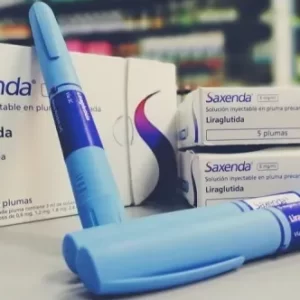
Liraglutide (sold under various brand names including Saxenda and Victoza) is another GLP-1 receptor agonist. Liraglutide has recently become available to replace Saxenda, which is long-term out of stock.
Trulicity
Trulicity (dulaglutide) is another GLP-1 receptor agonist that may be used as an alternative during Ozempic shortages.
Generic and Lower-Cost Options
The global patent for semaglutide held by Novo Nordisk begins to expire in several countries from early 2026. However, the UK patent will remain valid until 2031. This means generic semaglutide cannot legally be sold in the UK until at least 2031.
Despite this, Indian drug companies have launched cheaper semaglutide brands sold at starting prices of £14.41 per month. Experts warn that cut-price imports are likely to seep into Britain, fuelling a growing grey market for slimming jabs.
Patient Experiences
Weight Loss Success Stories
Some patients have reported dramatic weight loss results. One 46-year-old man lost 23 kg in five months on Ozempic. Another patient reported losing four stone (approximately 25 kg) while taking Ozempic. One super-obese patient reduced their BMI by 20% using Ozempic/Wegovy, which in turn reduced their severe psoriasis by 90% in just 10 months.
Challenges After Stopping
However, weight regain after stopping the medication is a significant concern. One patient who lost four stone with Ozempic reported that when they stopped, the weight came back. This highlights that Ozempic Uk is a treatment that may require long-term use to maintain benefits.
Concerns About Misuse
There is growing concern about the number of normal weight and underweight patients needing A&E care after taking weight loss jabs in a bid to become “beach body ready”. Young women in particular are believed to be obtaining the drug via online pharmacies, sometimes providing false information about their appearance and health. In some cases, people taking the jabs without legitimate medical cause are even thought to be doing so as a result of eating disorders.
Experts have warned about the lengths some patients go to fake their eligibility for weight loss jabs. One pharmacy chief executive noted that three of his friends had managed to obtain Mounjaro by lying about their weight and uploading old photos when they were heavier.
The Future of Ozempic UK
Patent Expiry and Generic Competition
The semaglutide patent situation is complex. While the global patent begins expiring in some countries in 2026, the UK patent is protected until 2031. With a Supplementary Protection Certificate (SPC) in place, it is unlikely that generic semaglutide will be available for sale in the UK until 2031 or beyond.
This creates a challenging situation. As patents expire in countries like India and Canada from 2026, there are concerns about unregulated imports entering the UK. Health experts warn that the rise of unlicensed weight loss injections could pose serious risks to public health.
Expanding NHS Access
The NHS is gradually expanding access to weight loss medications. Mounjaro’s NHS rollout began in June 2025 and is planned over 12 years. However, fewer than half of people in England can currently access Mounjaro through their GP. The rollout is phased, starting in Cheshire and Merseyside.
Wegovy has been available on the NHS in England since September 2023, but access remains through specialist weight management services rather than primary care.
Continued Supply Challenges
The supply situation is expected to improve gradually through 2025 and 2026, but meeting all demand may take longer. The US-Iran war has added additional complexity to the global supply chain, affecting the production of some drugs and increasing transportation costs.
Regulatory Scrutiny
The MHRA continues to monitor the safety of GLP-1 medications closely. There are ongoing discussions about stricter checks on online pharmacies selling these medications. The General Pharmaceutical Council has advised that prescribing notes should be accessible to other practitioners and pharmacy teams involved in patient care to support safe medicines use.
Conclusion
Ozempic Uk represents both a remarkable therapeutic advance and a significant public health challenge in the United Kingdom. For patients with type 2 diabetes, it offers effective glycaemic control with the added benefits of weight loss and cardiovascular protection. For people with obesity, the related medication Wegovy provides a licensed pathway to medically supervised weight management.
However, the convergence of off-label prescribing for cosmetic weight loss, celebrity endorsements, social media amplification, and limited manufacturing capacity has created a perfect storm of supply shortages that have disadvantaged the very patients for whom the medication was originally intended. The emergence of counterfeit products adds another layer of risk.
The UK’s regulatory framework—with the MHRA overseeing licensing, NICE guiding NHS prescribing, and NHS England managing access—provides a structured approach that prioritises patient safety and clinical need. Yet the reality is that many patients, particularly those seeking weight loss without type 2 diabetes, find themselves navigating a complex landscape of restricted NHS access, expensive private prescriptions, and the ever-present risk of encountering counterfeit products.
Looking ahead, the expiration of semaglutide patents in other countries, the gradual expansion of NHS weight loss services, and ongoing manufacturing investments offer hope for improved access. But the fundamental tension between medical necessity and cosmetic demand is likely to persist, requiring continued regulatory vigilance and public education about the appropriate use of these powerful medications.
If you are searching for Ozempic UK, Ozempic cost, Ozempic price, or where to buy Ozempic online, Pharmachoiceuk.com provides helpful product information for customers looking for safe, professional pharmacy support.
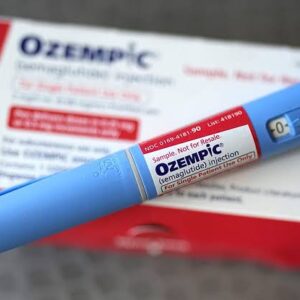
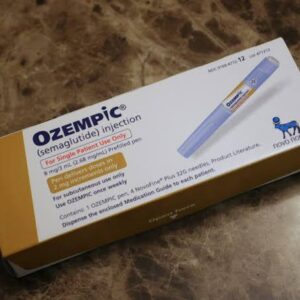
Ozempic contains semaglutide, a GLP-1 medicine used to help manage blood glucose levels in people with type 2 diabetes. It is a prescription-only medicine and should only be used after a proper medical assessment. Diabetes UK explains that Ozempic Uk is a semaglutide treatment for type 2 diabetes and can be used alone or with other diabetes medicines.
Buy Ozempic Online: What Is It?
Ozempic Uk is an injectable medicine supplied in a pre-filled pen. It works by helping the body regulate blood sugar levels and may also affect appetite and digestion. However, Ozempic Uk is not suitable for everyone, so a healthcare professional should check your health history, current medication, allergies, and treatment goals before use.
| Dosage | 0.25mg, 0.5mg, 1mg, 2mg |
|---|---|
| Quantity | 1 Dose, 2 Dose, 4 Dose |
Be the first to review “Ozempic UK” Cancel reply
Related products

Weight Loss Medication


Weight Loss Medication


Peptides


Weight Loss Medication

Weight Loss Medication

Weight Loss Medication

Weight Loss Medication
Reviews
There are no reviews yet.