
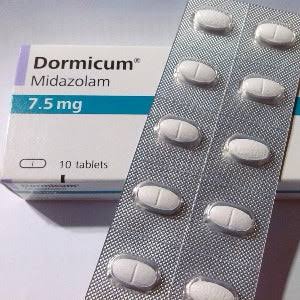

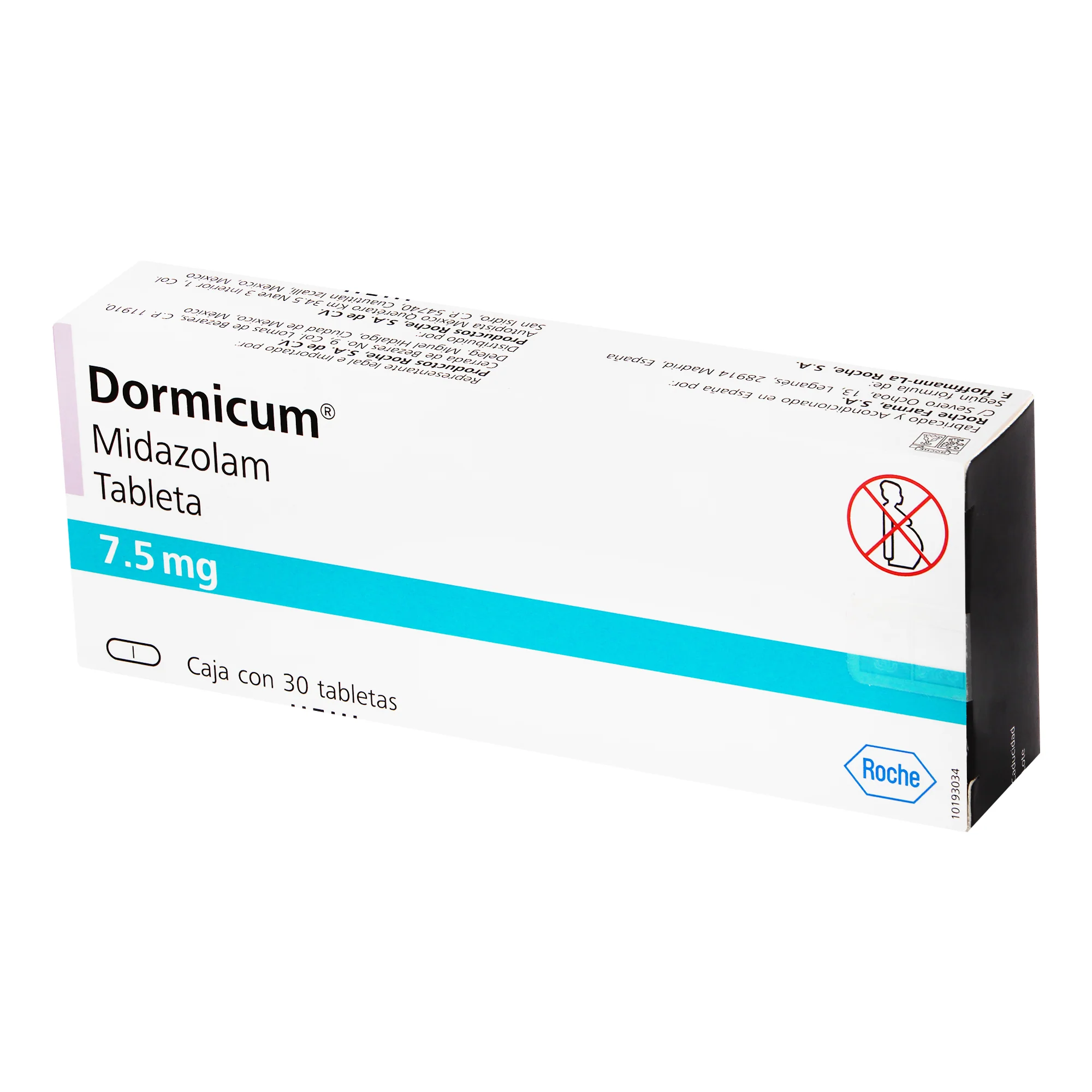
MIDAZOLAM 7.5MG

Price range: £20.99 through £627.00
Midazolam Where To Buy
Midazolam, formerly marketed under the brand name Versed, is a short-acting benzodiazepine and central nervous system (CNS) depressant. As a water-soluble compound, it offers rapid onset and flexible administration routes—including intravenous, intramuscular, oral, and intranasal—making it a versatile choice across multiple clinical settings.
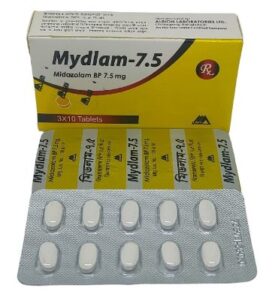
Buccal Midazolam UK: Important Safety and Prescribing Information
Midazolam is a benzodiazepine medicine used in specific clinical settings where sedation or short-term management is required under appropriate medical supervision. It is generally considered for short-term treatment of severe insomnia when symptoms are disabling or causing extreme distress. It may also be used as a sedative before surgical or diagnostic procedures, depending on the clinical situation and the judgment of a qualified healthcare professional.
Short-term treatment of insomnia. Benzodiazepines are only indicated when the disorder is severe, disabling or subjecting the individual to extreme distress. Sedation in premedication before surgical or diagnostic procedures.
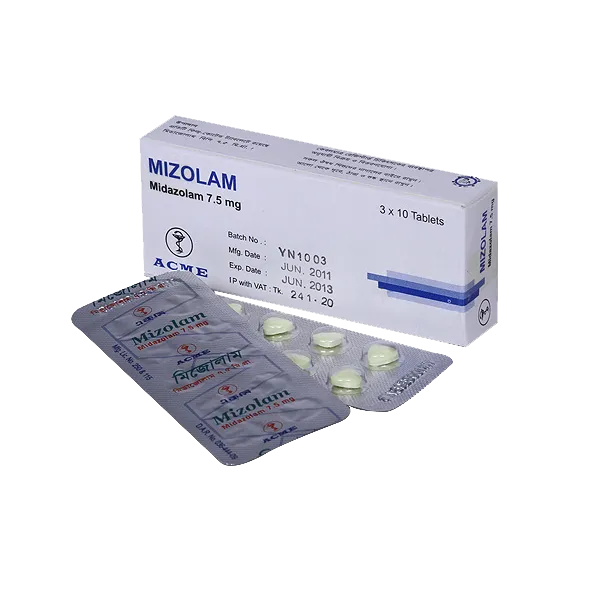
Midazolam, formerly marketed under the brand name Versed, is a short-acting benzodiazepine and central nervous system (CNS) depressant. As a water-soluble compound, it offers rapid onset and flexible administration routes—including intravenous, intramuscular, oral, and intranasal—making it a versatile choice across multiple clinical settings.
Mechanism of Action
Midazolam Tablets exerts its effects through reversible interactions with the γ-aminobutyric acid (GABA) benzodiazepine receptor, the major inhibitory neurotransmitter in the CNS. This enhances GABA’s inhibitory action, producing sedative, anxiolytic (anti-anxiety), amnesic (memory-impairing), hypnotic, anticonvulsant, and muscle-relaxant effects. Its effects are readily reversible by the specific antidote flumazenil.
Health Benefits and Clinical Uses of Midazolam Tablets
Midazolam is primarily indicated for procedural sedation, anxiolysis, and amnesia before diagnostic or therapeutic procedures such as bronchoscopy, endoscopy, cardiac catheterization, radiologic studies, and minor surgeries. It produces drowsiness, relieves preoperative anxiety, and helps patients avoid memory of the procedure.
In anesthesiology, midazolam is used for induction of general anesthesia and as a continuous intravenous infusion for sedation of intubated and mechanically ventilated patients in critical care settings. It is also valuable in emergency medicine for managing status epilepticus—severe, prolonged seizures—particularly when intravenous access is limited. Additionally, it serves as a short-term treatment for insomnia.
Important Considerations
Midazolam is a Schedule CIV controlled substance with risks of abuse, dependence, and withdrawal. It must be administered only by trained healthcare professionals with resuscitation equipment available. Concomitant use with opioids can cause profound sedation, respiratory depression, coma, and death. Dosage must be carefully individualized, with lower doses required in elderly or debilitated patients.
This description is for informational purposes only. Midazolam is a prescription medication that must be used under strict medical supervision.
Oral dosage:
- For adults: 7.5-15 mg daily.
- In elderly and debilitated patients: The recommended dose is 7.5 mg.
- In premedication: 15 mg of Midazolam should be given 30-60 minutes before the procedure.
Intravenous administration:
- Endoscopic or Cardiovascular Procedures: In healthy adults, the initial dose is approximately 2.5 mg. In cases of severe illness and in elderly patients, the initial dose must be reduced to 1 to 1.5 mg.
- Induction of Anesthesia: The dose is 10-15 mg.
Intramuscular administration:
- Adult: 0.07-0.1 mg/kg body weight. The usual dose is about 5 mg.
- Children: 0.15-0.20 mg/kg
- Elderly and debilitated patients: 0.025-0.05 mg/kg
Rectal administration in children:
- For preoperative sedation: Rectal administration of the ampoule solution (0.35-0.45 mg/kg) 20-30 min. before induction of general anesthesia.
Interaction
Midazolam can enhance the central sedative effect of neuroleptics, tranquillizers, antidepressants, sleep-inducing drugs, analgesics, anaesthetics, antipsychotics, anxiolytics, antiepileptic drugs and sedative antihistamines.
Contraindications
Midazolam must not be given to patients with severe respiratory insufficiency, severe hepatic insufficiency, myasthenia gravis, sleep apnea syndrome and with known hypersensitivity to benzodiazepines or to any component of the product
| Quantity | 1 Pc, 1 Strip = 10 Pcs, 1 Box = 3 Strips |
|---|
Be the first to review “MIDAZOLAM 7.5MG”
Related products

Steriod
Steriod


Steriod

Steriod





Steriod

Steriod
Reviews
There are no reviews yet.